



Lectures on the philosophy of religion: God and the eternal idea
The normal, eternal, absolute idea - in its eternal existence - in and of itself - is God in his eternity or eternity before the creation of the world, and outside the world.
- On sale!
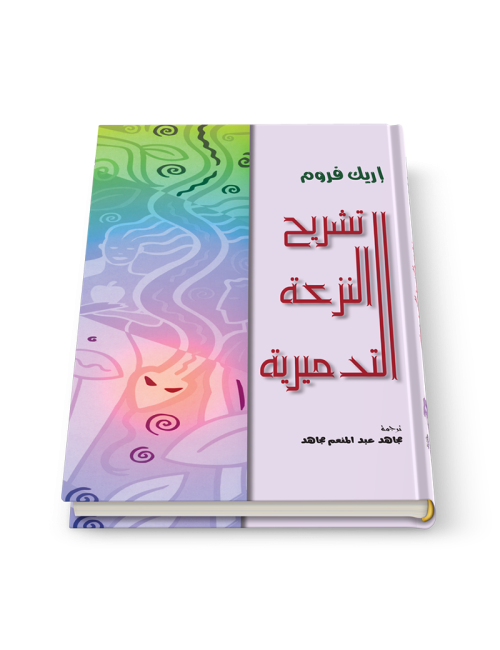
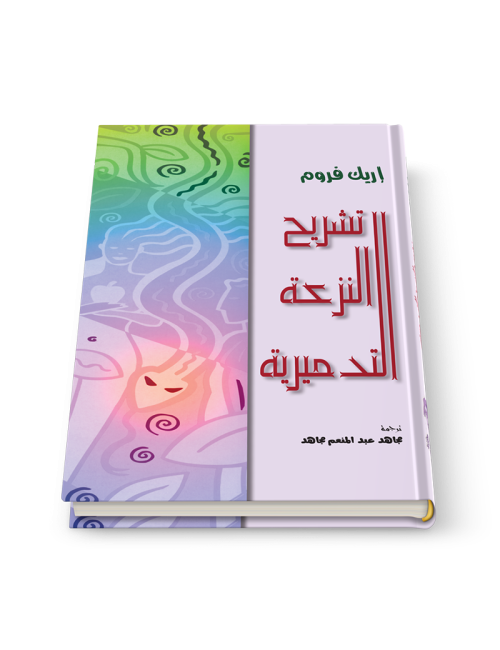
In this provocative book, the distinguished author writes to break the deadlock in the struggle between the instinctivism of Konrad Lorenz and behavior psychologist B.F. Skinner.
Security policy
Delivery policy
Terms And Conditions
Renowned psychoanalyst and social philosopher Erich Fromm examines the causes and effects of people’s violent tendencies in The Anatomy of Human Destructiveness.
In this provocative book, the distinguished author writes to break the deadlock argued about the roots of human nature by exploring the struggle between the instinctivism of Konrad Lorenz and behavior psychologist B. F. Skinner: are people inherently antagonistic or do people learn hostility from their environment and the actions of those around them?
Drawing from neurophysiology and anthropology studies and findings, Fromm presents fascinating ideas about how the human character and condition developed―and continues to develop―in contemporary society.
“A book by Erich Fromm is always intelligent and contains much of interest and insight, and this one is no exception.”―The New York Times
The normal, eternal, absolute idea - in its eternal existence - in and of itself - is God in his eternity or eternity before the creation of the world, and outside the world.
This abridgment of Colin Brown’s original four volume work is arranged with its entries in Greek alphabet order, which makes it easy to find the discussion of a particular word. All Greek words are transliterated into English and linked with their Goodrick/Kohlenberger numbers.
This book is both a testament to a great thinker and a still vital strand of thought in the comprehension and critique of the modern organized world. It is essential reading for younger scholars and a radical reminder for those steeped in the tradition of a critical theory of society.
A person has needs in life, and the needs are arranged and gradual, some of them are basic and necessary, some of them touch his physical needs, and they are the ones that preserve his survival and presence in life, and some affect the mental and psychological side, and they help in his advancement, progress and creativity.
Did Marcel’s philosophy of secrets achieve a push to the thought? People tend to hide secrets: his origins, his destiny, his existence, he is a collection of secrets. And above of all secrets, the secret of the existence or – according to Marcel - the ontology secret. Its different from the secrets of faith, or theology secrets.
Psychology of Aesthetics, Creativity, and the Arts is devoted to promoting scholarship on the psychology of the production and appreciation of the arts and all aspects of creative endeavor.
The Philosophy of Humanistic Ethics vs. The Philosophy of Authoritarian Ethics
The Philosophy of Subjective Ethics vs. The Philosophy of Objective Ethics
Anthropology
The Heritage of Humanistic Ethics Philosophy
The Philosophy of Ethics and Psychoanalysis
Since some believe that faith and logic are opposites, some consider faith to be nothing more than a naive acceptance of certain religious truths, while it is the exact opposite.
Is God playing games? What can we count on him for? This relationship with a God we can’t see, hear, or touch--how does it really work? The Reaching for the Invisible God Study Guide gives you a path in your personal quest for answers.
Homelessness has become the fate of the world .. Man has become separated from man
This beautifully illustrated volume walks readers through every chapter of the Bible, while also explaining such things as how we got the Bible, how it was preserved over the years, how the Bible fits in with historical sources and archeological finds, and similar information.
This comprehensive exploration of the interpretive process,
has served as a successful textbook. It focuses on the three "worlds" of biblical interpretation--the world of the author, the world of the text, and the world of the reader--to help students develop an integrated hermeneutical strategy. The book offers clear explanations of interpretive approaches, which are supported by helpful biblical examples, and succinct synopses of various interpretive methods. Pedagogical aids include end-of-chapter review and study sections with key terms, study questions, and suggestions for further reading.
Berdyev's life was nothing but a triangular struggle against the aristocratic environment in which his family belonged and lived in it, against the revolutionary Marxist environment in which he lived during his first youth and against the orthodox environment in which he lived a mature period in a certain sense.
Has Science Discovered God?
When Lee Strobel was a high school freshman, science convinced him that God did not exist. Since then, however, incredible scientific discoveries have not only helped restore Lee's faith, but have strengthened it.
In this provocative book, the distinguished author writes to break the deadlock in the struggle between the instinctivism of Konrad Lorenz and behavior psychologist B.F. Skinner.
Product Comments